
1. Meaning of Horses
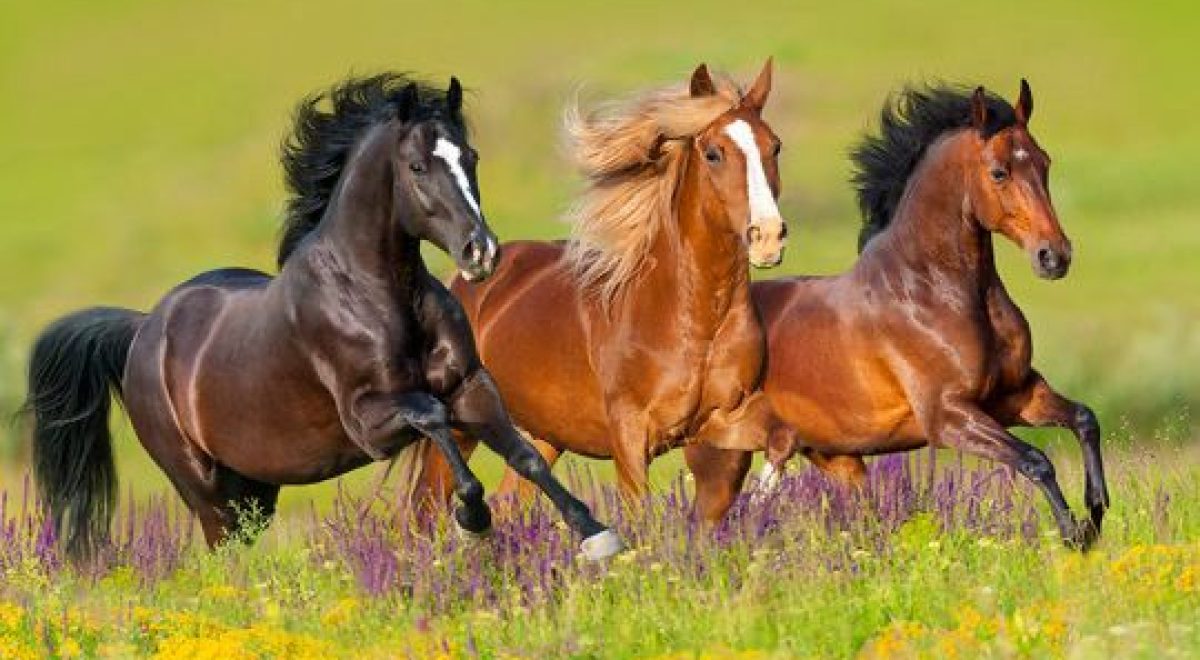
Horses are large, powerful mammals that have lived alongside humans for thousands of years. They belong to the species Equus caballus and are known for their speed, intelligence, loyalty, and ability to assist people in transportation, farming, sports, and recreation.
2. History of Horse Domestication
Horses were first domesticated around 5,500 years ago in Central Asia. Early humans discovered that horses could carry loads, pull carts, and travel long distances. Their domestication transformed transportation, trade, agriculture, and warfare across civilizations.
3. Physical Characteristics
Horses have strong muscular bodies, long legs, powerful hooves, and excellent endurance. Their size, color, and appearance vary by breed. Common coat colors include black, brown, white, gray, chestnut, and bay. Their physical strength makes them suitable for many different tasks.
4. Horse Breeds Around the World
There are hundreds of horse breeds worldwide, each developed for specific purposes. Some breeds are known for speed, others for strength or endurance. Popular breeds include the Arabian Horse, Thoroughbred, and Clydesdale. Each breed has unique characteristics and abilities.
5. Importance in Transportation
Before modern vehicles, horses were among the primary means of transportation. People rode horses or used horse-drawn carts and carriages for travel and trade. Even today, horses remain useful in remote areas where motorized transport is limited.
6. Role in Agriculture
For centuries, horses played an important role in farming. They pulled plows, transported crops, and helped farmers complete heavy tasks. In some rural communities, horses are still used for agricultural work because of their reliability and strength.
7. Horses in Sports and Recreation
Horses are central to many sports and recreational activities. Horse racing, show jumping, dressage, polo, and endurance riding attract participants and spectators worldwide. These activities showcase the horse’s athletic ability, speed, and training.
8. Intelligence and Behavior
Horses are highly intelligent animals capable of learning commands, recognizing people, and forming strong social bonds. They communicate through body language, facial expressions, and vocal sounds. Their intelligence makes them effective partners for humans.
9. Diet and Nutrition
Horses are herbivores that mainly eat grass, hay, and grains. Proper nutrition is essential for maintaining their health, strength, and energy. Clean water, balanced feed, and regular care help horses remain healthy and productive.
10. Economic Value of Horses
Horses contribute to the economy through sports, tourism, breeding, transportation, and agriculture. The horse industry creates employment opportunities for trainers, veterinarians, breeders, riders, and stable workers in many countries.
11. Cultural and Historical Significance
Throughout history, horses have symbolized power, freedom, courage, and nobility. Many civilizations relied on horses during exploration, trade, and military campaigns. Horses continue to appear in art, literature, traditions, and cultural celebrations around the world.
12. Future of Horses in Modern Society
Although technology has replaced many traditional uses of horses, they remain valuable for sports, tourism, therapy, and companionship. Ongoing conservation and responsible breeding programs help ensure that horses continue to play an important role in human society.
The World of Horses