
1. Introduction to the Camel
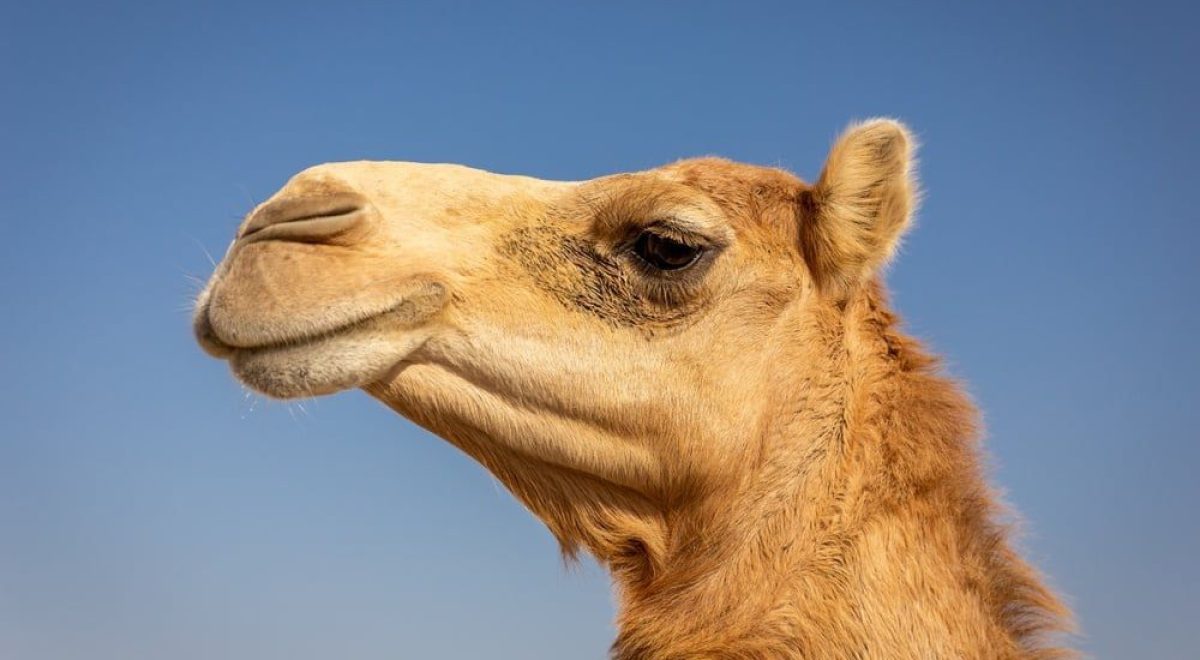
The camel is a large, strong mammal known for its ability to survive in some of the harshest environments on Earth. It has been an important animal for transportation, food production, and trade for thousands of years, especially in desert regions.
2. Types of Camels
There are two main types of camels. The Dromedary Camel has one hump and is commonly found in Africa and the Middle East. The Bactrian Camel has two humps and lives mainly in Central Asia. Both species are adapted to survive in extreme climates.
3. Physical Characteristics
Camels have long legs, broad feet, and thick eyelashes that protect them from blowing sand. Their bodies are designed to conserve water, and their humps store fat that can be used as energy when food is scarce.
4. Adaptation to Desert Life
Camels are famous for their ability to survive in hot deserts. They can go for long periods without drinking water and can tolerate high temperatures. Their unique biological features make them one of the best-adapted animals in arid regions.
5. Importance of Camel Milk
Camel milk is highly nutritious and rich in vitamins, minerals, and protein. In many countries, it is an important source of food and income. Some studies suggest that camel milk may offer health benefits due to its unique nutritional properties.
6. Economic Value
Camels contribute significantly to the economies of many pastoral communities. They provide milk, meat, transportation, hides, and wool. In several countries, camel trading is a major economic activity that supports thousands of families.
7. Role in Culture and Tradition
Camels hold a special place in the cultures of many African and Middle Eastern societies. They are often featured in traditional songs, stories, ceremonies, and festivals. In some communities, camel ownership is a symbol of wealth and social status.
8. Transportation and Trade
For centuries, camels have been known as the “ships of the desert.” They have been used to carry people and goods across long desert routes, helping connect distant regions and support trade networks.
9. Challenges Facing Camels
Despite their resilience, camels face challenges such as climate change, drought, diseases, and habitat loss. Modern transportation has also reduced their traditional role in some areas, affecting camel-based livelihoods.
10. Future Importance of Camels
As climate change increases drought and water scarcity in many regions, camels may become even more important. Their ability to thrive in harsh environments makes them valuable for sustainable livestock farming and food security in the future.
Conclusion
The camel is a unique and valuable animal that has supported human life for thousands of years. Its strength, adaptability, and economic importance continue to make it one of the most remarkable animals in the world.
The Camel King of the Desert