
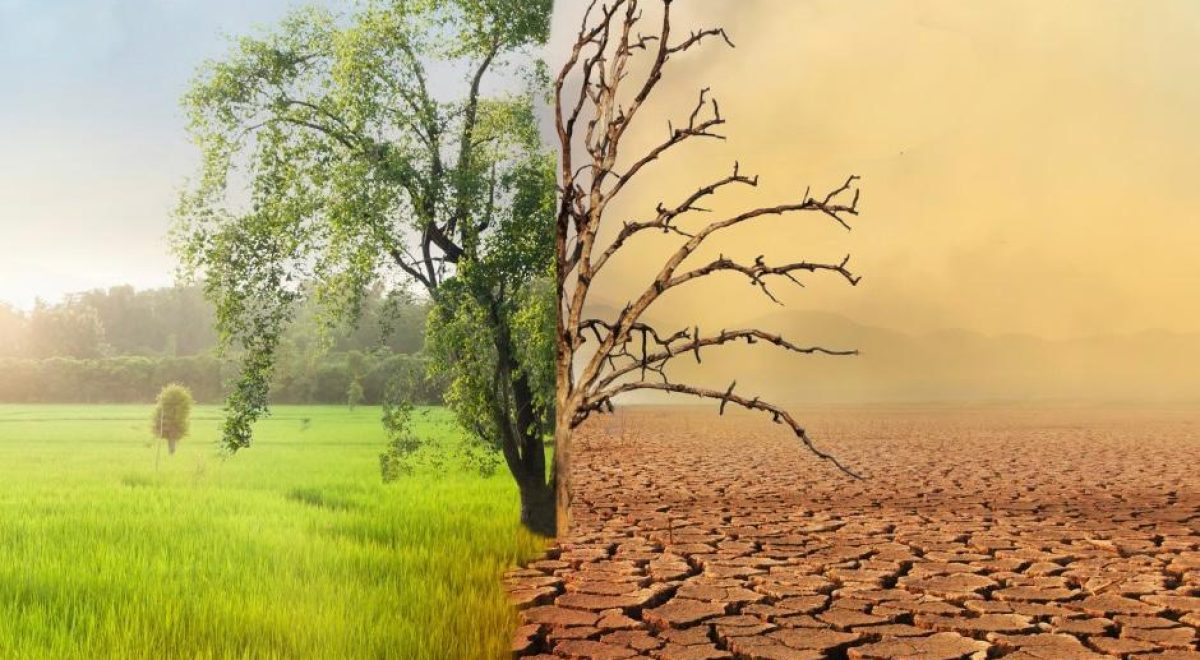
Climate Understanding the Earth’s Weather System.
1. What Is Climate?
Climate refers to the long-term pattern of weather conditions in a particular region over many years. Unlike weather, which can change daily, climate describes average temperatures, rainfall, humidity, wind patterns, and seasonal changes over decades. Climate helps determine the type of environment, vegetation, and wildlife that can thrive in an area.
2. The Main Elements of Climate
Several factors work together to create a region’s climate. These include temperature, precipitation (rain, snow, or hail), humidity, atmospheric pressure, wind, and sunlight. The combination of these elements shapes the overall climate and influences daily life, agriculture, and ecosystems.
3. Different Climate Zones
The Earth is divided into several climate zones, including tropical, dry, temperate, continental, and polar climates. Tropical regions are warm and wet throughout the year, while polar regions remain extremely cold. Each climate zone supports unique plants, animals, and human lifestyles.
4. Factors That Influence Climate
Climate is affected by latitude, altitude, distance from oceans, ocean currents, and topography. Areas near the equator receive more direct sunlight and are generally warmer. Mountain ranges can block rainfall, creating dry regions on one side and wetter regions on the other.
5. Climate and Agriculture
Agriculture depends heavily on climate conditions. Temperature and rainfall determine which crops can grow successfully in a region. Farmers rely on predictable climate patterns to plan planting and harvesting seasons. Unusual climate conditions can reduce crop yields and affect food security.
6. Climate and Ecosystems
Climate plays a major role in shaping ecosystems around the world. Forests, deserts, grasslands, and wetlands exist because of specific climate conditions. Changes in climate can alter habitats, forcing plants and animals to adapt, migrate, or face extinction.
7. Climate Change and Global Warming
Climate change refers to long-term shifts in global temperatures and weather patterns. Human activities such as burning fossil fuels, deforestation, and industrial production have increased greenhouse gas emissions. These gases trap heat in the atmosphere, causing global temperatures to rise.
8. Effects of Climate Change
Climate change can lead to rising sea levels, stronger storms, prolonged droughts, heatwaves, and changes in rainfall patterns. These impacts affect human health, agriculture, water supplies, and biodiversity. Many regions are already experiencing the consequences of a changing climate.
9. Solutions to Climate Challenges
Addressing climate change requires global cooperation. Solutions include using renewable energy sources, improving energy efficiency, protecting forests, reducing pollution, and adopting sustainable agricultural practices. Governments, businesses, and individuals all have a role to play.
10. The Future of Climate
The future of Earth’s climate depends on the actions taken today. Scientific research continues to improve our understanding of climate systems and potential solutions. By reducing greenhouse gas emissions and protecting natural resources, humanity can help create a more sustainable and resilient future for generations to come.
Global Climate and Change