
1. Diversity of Animal Life
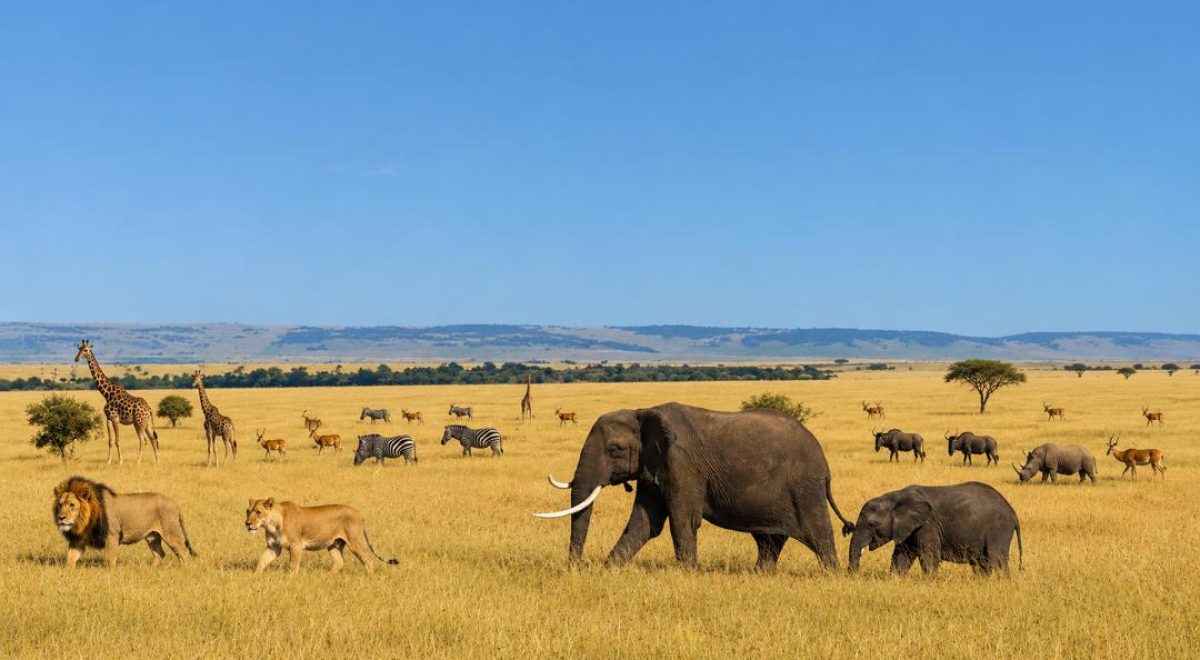
Animals are incredibly diverse, with millions of species living across different environments. They range from tiny insects to enormous whales. Scientists classify animals into various groups such as mammals, birds, reptiles, amphibians, fish, and invertebrates. This diversity allows life to thrive in nearly every habitat on Earth.
2. Animals and Ecosystem Balance
Animals play a crucial role in maintaining ecological balance. Predators control prey populations, herbivores influence plant growth, and scavengers clean up dead organisms. Without animals performing these functions, ecosystems could become unstable and less productive.
3. Adaptation and Survival
Animals have developed remarkable adaptations to survive in different environments. Camels can endure desert conditions, polar bears thrive in icy regions, and fish possess specialized features for underwater life. These adaptations demonstrate the power of evolution and natural selection.
4. Importance of Biodiversity
Animal biodiversity is essential for healthy ecosystems. A greater variety of species increases ecosystem resilience, making it easier for nature to recover from disturbances such as droughts, diseases, or climate changes. Biodiversity also supports food security and environmental sustainability.
5. Animals as Sources of Food
Throughout human history, animals have provided important sources of food, including meat, milk, eggs, and fish. Livestock farming and fisheries contribute significantly to global food supplies and support the livelihoods of millions of people around the world.
6. Economic Contributions of Animals
Animals contribute to economies in numerous ways. Agriculture, tourism, transportation, and pet industries all depend on animals. Wildlife tourism alone generates billions of dollars annually while creating employment opportunities in many countries.
7. Animals and Scientific Research
Many scientific discoveries have been made through studying animals. Research involving animals has helped scientists understand diseases, develop medicines, and improve medical treatments. Observing animal behavior also provides valuable insights into biology and evolution.
8. Human-Animal Relationships
Animals have shared a close relationship with humans for thousands of years. Dogs, cats, horses, and other domesticated animals provide companionship, assistance, and emotional support. These relationships often improve mental well-being and quality of life.
9. Threats Facing Animals
Many animal species face serious threats today, including habitat destruction, climate change, pollution, poaching, and illegal wildlife trade. These challenges have caused population declines and increased the risk of extinction for numerous species worldwide.
10. Conservation and Protection Efforts
Protecting animals is essential for preserving biodiversity and ecosystem health. Governments, conservation organizations, and local communities work together to establish protected areas, enforce wildlife laws, and promote sustainable practices. Conservation efforts help ensure that future generations can continue to benefit from Earth’s rich animal life.
Conclusion
Animals are an indispensable part of life on Earth. They support ecosystems, contribute to economies, provide food and companionship, and enrich the natural world with their diversity. Understanding and protecting animals is not only important for their survival but also for the well-being of humanity and the planet as a whole.
🌍 The Amazing World of Animals