
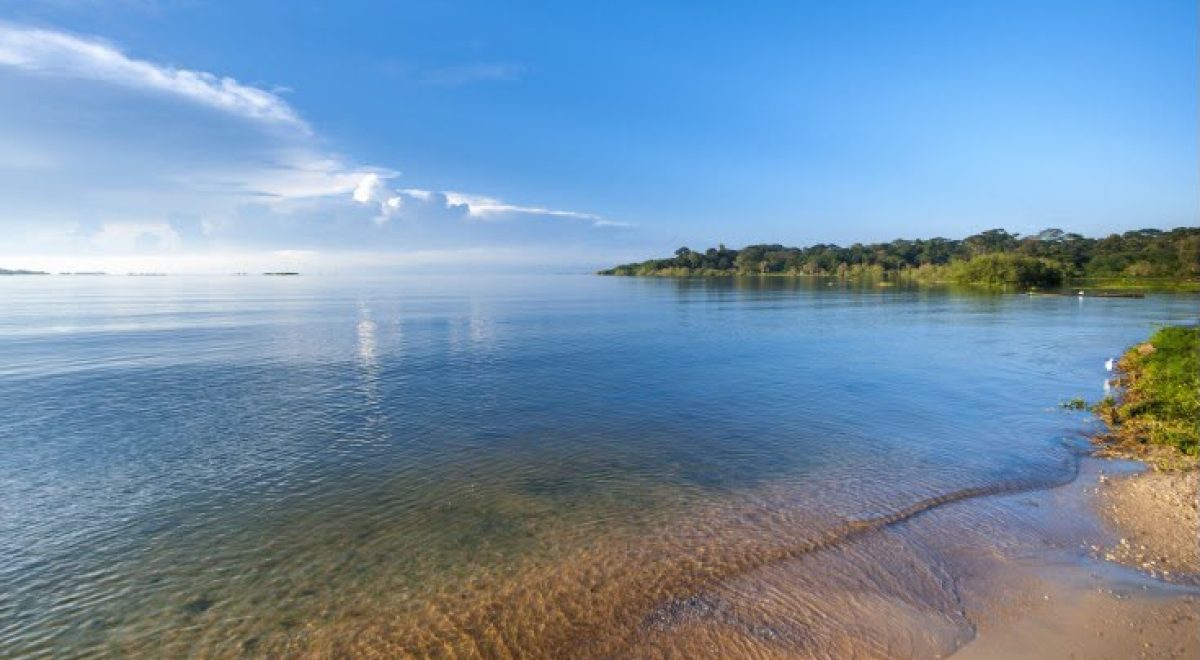
1. Introduction to Lake Victoria
Lake Victoria is the largest freshwater lake in Africa and one of the largest lakes in the world by surface area. It plays a vital role in the economy, environment, and culture of East Africa. Millions of people depend on the lake for water, food, transportation, and employment.
2. Geographic Location
Lake Victoria is located in East Africa and is shared by three countries: Tanzania, Uganda, and Kenya. Tanzania owns the largest portion of the lake, followed by Uganda and Kenya.
3. Size and Dimensions
Covering approximately 68,800 square kilometers, Lake Victoria is Africa’s largest lake by area. It stretches hundreds of kilometers across East Africa and contains an enormous volume of freshwater, making it one of the most important water bodies on the continent.
4. Historical Discovery
European explorers became aware of Lake Victoria during the nineteenth century. The lake was named by John Hanning Speke in honor of Queen Victoria after he visited the region in 1858.
5. Source of the Nile River
Lake Victoria is widely recognized as one of the primary sources of the Nile River. Water flows from the lake through the Victoria Nile, contributing to the world’s longest river system and supporting millions of people downstream.
6. Biodiversity and Wildlife
The lake supports a rich ecosystem with hundreds of fish species, birds, reptiles, and aquatic plants. Many species found in Lake Victoria are unique to the region, making it an important area for biodiversity conservation.
7. Fishing Industry
Fishing is one of the most important economic activities around Lake Victoria. Species such as Nile perch and tilapia support commercial and local fisheries, providing food and income for millions of residents living near the lake.
8. Transportation and Trade
Lake Victoria serves as a major transportation route connecting communities and ports across East Africa. Ferries and boats transport passengers, agricultural products, and commercial goods between different regions.
9. Environmental Challenges
The lake faces several environmental issues, including pollution, overfishing, invasive plant species, and climate change. These challenges threaten aquatic life and the livelihoods of communities that depend on the lake.
10. Tourism and Recreation
Lake Victoria attracts visitors with its scenic beauty, islands, wildlife, and cultural heritage. Tourists enjoy activities such as boating, fishing, bird watching, and exploring lakeside towns and natural attractions.
11. Economic Importance
The lake contributes significantly to the economies of Kenya, Tanzania, and Uganda. It supports agriculture, fishing, transportation, tourism, and trade, making it a crucial economic resource for East Africa.
12. Future Conservation Efforts
Governments, environmental organizations, and local communities are working together to protect Lake Victoria. Conservation programs focus on reducing pollution, restoring habitats, promoting sustainable fishing practices, and preserving biodiversity for future generations.
Conclusion
Lake Victoria is one of Africa’s most valuable natural resources. Its vast freshwater reserves, rich biodiversity, and economic importance make it essential to the lives of millions of people. Protecting and managing the lake sustainably will ensure that future generations continue to benefit from this remarkable natural treasure.
Lake Victoria Africa’s