
1. Introduction to Economics
Economics is the study of how individuals, businesses, and governments allocate limited resources to satisfy unlimited wants and needs. It examines the production, distribution, and consumption of goods and services. Economics plays a crucial role in shaping living standards, employment opportunities, and national development. Understanding economic principles helps societies make informed decisions about resource allocation and growth.
2. Scarcity and Resource Allocation
Scarcity is the fundamental economic problem because resources such as land, labor, capital, and time are limited. Since human wants are unlimited, societies must decide how to allocate resources efficiently. Resource allocation determines what goods are produced, how they are produced, and who receives them. Effective allocation leads to higher productivity and improved living standards.
3. Supply and Demand
Supply and demand are the core forces that drive market economies. Demand refers to the quantity of goods and services consumers are willing to buy at different prices, while supply represents what producers are willing to sell. Prices adjust based on the interaction between supply and demand. When demand exceeds supply, prices tend to rise; when supply exceeds demand, prices generally fall.
4. The Role of Markets
Markets provide a mechanism through which buyers and sellers exchange goods and services. Competitive markets encourage efficiency, innovation, and fair pricing. Markets help determine resource allocation by signaling consumer preferences and business opportunities. Well-functioning markets contribute significantly to economic growth and prosperity.
5. Economic Growth and Development
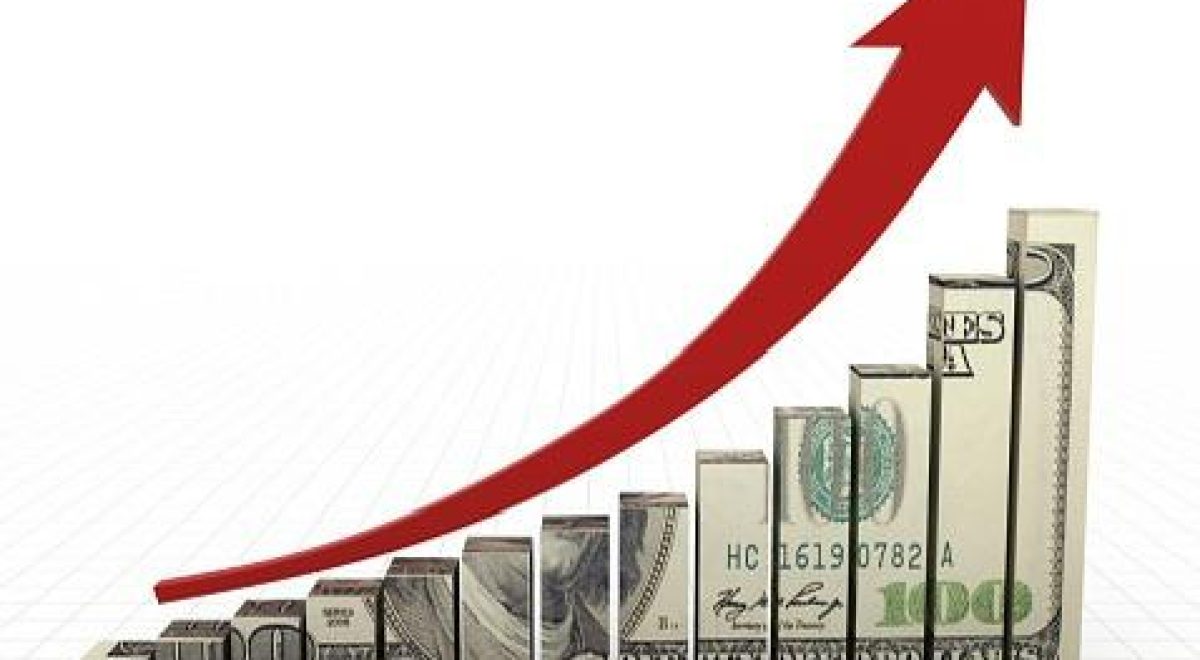
Economic growth refers to an increase in a country’s production of goods and services over time. Economic development goes beyond growth by improving living standards, healthcare, education, and infrastructure. Sustainable economic growth creates jobs, increases income levels, and reduces poverty. Nations that invest in development often achieve long-term prosperity.
6. Inflation and Its Effects
Inflation is the general increase in prices over time. Moderate inflation is normal in growing economies, but excessive inflation can reduce purchasing power and create economic instability. Inflation affects consumers, businesses, and governments by changing the value of money. Central banks often implement policies to maintain stable inflation rates.
7. Employment and Unemployment
Employment is a key indicator of economic health. A strong economy typically provides job opportunities for a large portion of the population. Unemployment occurs when people who are willing and able to work cannot find jobs. High unemployment can reduce economic output, increase poverty, and create social challenges. Governments often implement policies to stimulate job creation.
8. Government’s Role in the Economy
Governments influence economic activity through taxation, spending, regulation, and public services. They provide infrastructure, education, healthcare, and security while ensuring market stability. Government policies can encourage investment, reduce inequality, and support economic growth. Effective governance is essential for a strong and resilient economy.
9. International Trade
International trade allows countries to exchange goods and services that they produce efficiently. Trade promotes specialization, increases consumer choice, and supports economic growth. Nations benefit by exporting products in which they have a comparative advantage and importing goods that are more costly to produce domestically. Global trade strengthens economic relationships between countries.
10. Investment and Capital Formation
Investment involves spending resources on assets that generate future income or productivity. Businesses invest in machinery, technology, and infrastructure to improve efficiency. Capital formation increases production capacity and supports long-term economic growth. Higher investment levels often lead to greater innovation and competitiveness.
11. Banking and Financial Systems
Banks and financial institutions are essential components of modern economies. They facilitate savings, provide loans, and support business expansion. Financial systems help allocate capital to productive activities and enable economic transactions. A stable banking sector promotes confidence and encourages economic development.
12. Entrepreneurship and Innovation
Entrepreneurs create businesses, develop new products, and generate employment opportunities. Innovation drives economic progress by improving efficiency and introducing new technologies. Successful entrepreneurs contribute to wealth creation and economic diversification. Economies that encourage entrepreneurship often experience faster growth and greater competitiveness.
13. Poverty and Income Distribution
One of the major concerns in economics is the distribution of wealth and income. Poverty limits access to education, healthcare, and economic opportunities. Governments and organizations implement policies aimed at reducing poverty and promoting social mobility. Fair income distribution contributes to social stability and inclusive economic growth.
14. The Future of Economics
The future of economics is being shaped by technology, globalization, digital currencies, artificial intelligence, and environmental sustainability. Economists increasingly focus on balancing growth with environmental protection and social welfare. Emerging technologies are transforming industries and creating new economic opportunities. Understanding these changes is essential for navigating the evolving global economy.
💰 The Power of Economics